




Contact Us

Phone
(08) 6383 5551Phone
(08) 6383 5551Frequently Asked Questions.
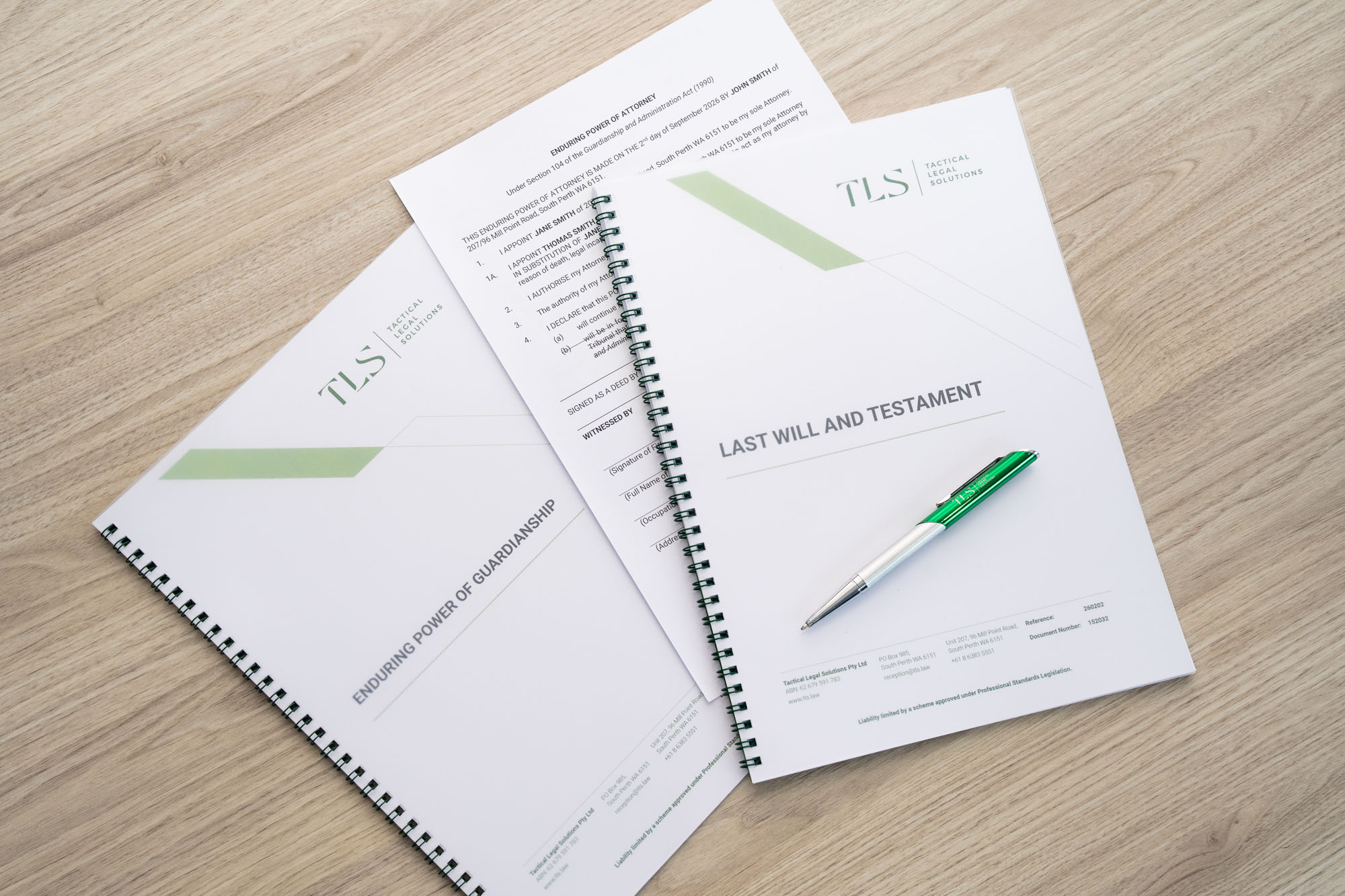
Estate planning is the process of arranging how your assets will be managed and distributed during your lifetime and after your passing. It ensures your wishes are carried out, minimises disputes among beneficiaries, and can help reduce tax obligations.
You should review your Will after any major life event such as marriage, divorce, the birth of a child, or the acquisition of significant assets. As a general rule, it’s good practice to revisit your Will every three to five years.
When a person dies without a valid Will, their estate is distributed according to intestacy laws. This may not reflect the deceased’s wishes and can lead to lengthy legal processes and potential family disputes.
The timeframe varies depending on the complexity of the estate. A straightforward estate may be finalised within a few months, while more complex matters involving disputes or multiple assets can take a year or longer.
Yes, a will can be contested on various grounds, including questions of the testator’s mental capacity, undue influence, or inadequate provision for eligible beneficiaries. It’s important to seek legal advice early if you believe a will should be challenged.