
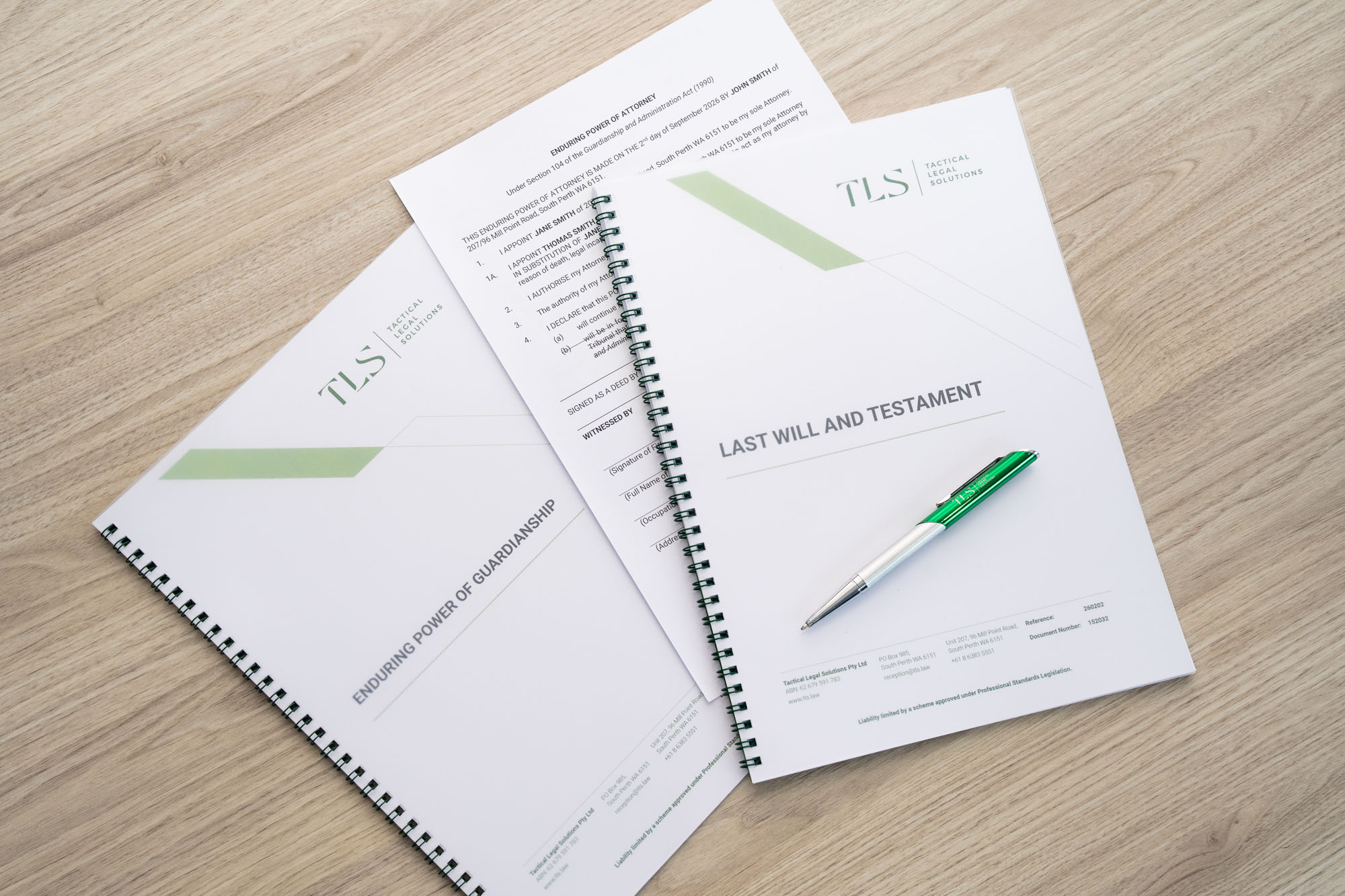





Enduring Powers of Guardianship
An Enduring Power of Guardianship ensures someone you trust can make personal, lifestyle, and medical decisions on your behalf if you lose capacity. TLS provides guidance to help you put the right protections in place.
 latest Blog
A Guide To Enduring Power Of Guardianship
Understanding Your Situation
What is an Enduring Power of Guardianship?
An Enduring Power of Guardianship allows you to appoint a trusted person to make personal, lifestyle, and medical decisions on your behalf if you lose the capacity to do so yourself.
This legal document ensures that someone you trust can step in to protect your wellbeing, living arrangements, and healthcare needs when you are no longer able to make those choices independently.
At TLS, we help clients establish these vital arrangements with care and clarity, so your wishes are honoured and your dignity is preserved; no matter what the future holds.

Understanding Enduring Powers of Guardianship
What Decisions can a Guardian Make?
A Guardian can only make decisions regarding your health, lifestyle and medical care. You can also limit their powers or provide specific directions about how decisions are to be made, giving you control even when you’re unable to speak for yourself.
Depending on your instructions, your Guardian may be able to:
- Decide where you live and who you live with
- Give or refuse consent to medical treatment
- Make decisions about your lifestyle and daily care
- Help ensure your wellbeing, comfort and dignity are protected

Is this you?
Ensuring Your Personal Wishes Are Respected
Planning for future health and lifestyle decisions gives you greater control over who will act on your behalf if you lose decision-making capacity. We help you put the right safeguards in place for your future.
 You're Planning Ahead for a Loved One
You want to ensure a trusted person can make personal, lifestyle and medical decisions for a family member if they lose capacity.
 A Family Member's Health Is Declining
A parent or relative has been diagnosed with dementia, a degenerative condition or another illness that may affect their future decision-making ability.
 You Want to Avoid Guardianship Disputes
Appointing a guardian now helps prevent family conflict and avoids the need for a costly and stressful tribunal application later.
 You Need to Update an Existing Appointment
Your circumstances have changed; a nominated guardian is no longer suitable, or you need to revise the scope of their authority.
 You're Caring for Someone Who Lacks Capacity
You are supporting a person who can no longer make decisions for themselves and need formal legal authority to act on their behalf.
 You Want Peace of Mind for the Future
Putting an Enduring Power of Guardianship in place now means your wishes for personal care and welfare are honoured if you ever lose capacity.
Our Process
A Supportive Process Tailored to Your Needs
Legal matters can often feel overwhelming. Our transparent process keeps you informed from start to finish, providing clear advice, practical guidance and dedicated support every step of the way.
Introductory Consultation
This first meeting is where we can get a better understanding of your estate planning objectives, provide legal advice, and take your instructions. We can then provide you with a tailored costs agreement outlining the work we will do for you, the documents to be prepared, and the costs involved. The cost of this first meeting is $330 (inclusive of GST).
Preparing Drafts
Once you have agreed to the terms outlined in the costs agreement and transferred our anticipated fees into our law practice trust account, we will begin preparing your estate planning documents. When these are ready, we will send you drafts for you to review.
Sign-Up
Once you are satisfied these documents accurately reflect your instructions, we can arrange a second meeting, which we call a 'Sign-Up'. In this meeting, we will go over each of the documents with you, page-by-page in plain language, answering any questions you may have. We will then sign these documents after you confirm you're completely satisfied.
Resolution & Support
We help you achieve the best possible outcome while providing ongoing guidance when needed.
Key Considerations
Important Factors to Consider When Appointing a Guardian


Not Sure Where to Start?
Every legal matter is different. Tell us about your circumstances, and we'll help you find the right legal solution.
Selecting the Right Guardian
Choose someone who understands your values and will respect your personal wishes.
Health and Lifestyle Decisions
Consider who should make important medical and personal care decisions on your behalf.
Communicating Your Preferences
Provide clear guidance to assist your guardian in making informed decisions.
Preparing for Unexpected Events
Having appropriate arrangements in place provides certainty during difficult circumstances.
Reviewing Your Documents
Regular reviews help ensure your appointed guardian remains appropriate.
Aligning with Other Legal Documents
Coordinate your guardianship arrangements with your Will and other estate planning documents.

Enduring Power of Guardianship
Common Mistakes
to Avoid.
Setting up an Enduring Power of Guardianship is essential, but errors in the process can render the document invalid or leave your wishes unprotected. Some common mistakes include:
- Choosing an Unsuitable Guardian
- Not Updating After Life Changes
- Failing to Meet Witness Rules
- Being Too Vague on Powers
- Signing Without Capacity

More Estate Planning Services




Frequently Asked Questions.
An Enduring Power of Guardianship is a legal document that allows you to appoint a person to make personal, lifestyle, and medical decisions on your behalf if you lose the capacity to make those decisions yourself.
Your EPG only takes effect if you lose the capacity to make reasonable decisions about your own welfare. That determination may be made through a medical assessment or by the State Administrative Tribunal (SAT).
A guardian can make decisions about your living arrangements, health care and medical treatment, daily living matters, and other personal or lifestyle decisions, depending on the scope of authority you grant.
Yes, you can revoke or amend your Enduring Power of Guardianship at any time, provided you still have the mental capacity to do so. It is recommended to seek legal advice when making changes.
You can appoint any trusted person over the age of 18, such as a family member or close friend. It is important to choose someone who understands your values and wishes regarding personal care.
TALK TO A LAWYER
Looking for clear and personal advice?
Whether you are planning ahead, managing a deceased estate, or dealing with an estate dispute, our team is here to provide clear, practical and compassionate legal advice.