


Wills & Estate Planning
A well-drafted Will gives your family clarity, protects your wishes, and provides peace of mind when it matters most. At TLS, we offer tailored, practical estate planning solutions, whether your situation is simple or complex.
 latest Blog
5 Essential Tips For Making A Valid Will In Australia
Understanding Your Situation
Building a Strong Foundation for Your Future
A Will ensures your wishes are fulfilled and loved ones cared for after you’re gone. Effective estate planning considers asset distribution and decision-making if you can’t manage your affairs.
Many people don’t realise that a DIY Will or poor planning can cause confusion, delays, and disputes. This is especially true for blended families, business owners, or those with complex asset structures.
At TLS, we help clients create sound arrangements reflecting their goals and circumstances, reducing uncertainty and protecting dependents.

What type of Will is right for me?
Simple Wills vs. Smarter Wills
At TLS, we offer two main types of Wills, Simple Wills, and Smarter Wills.
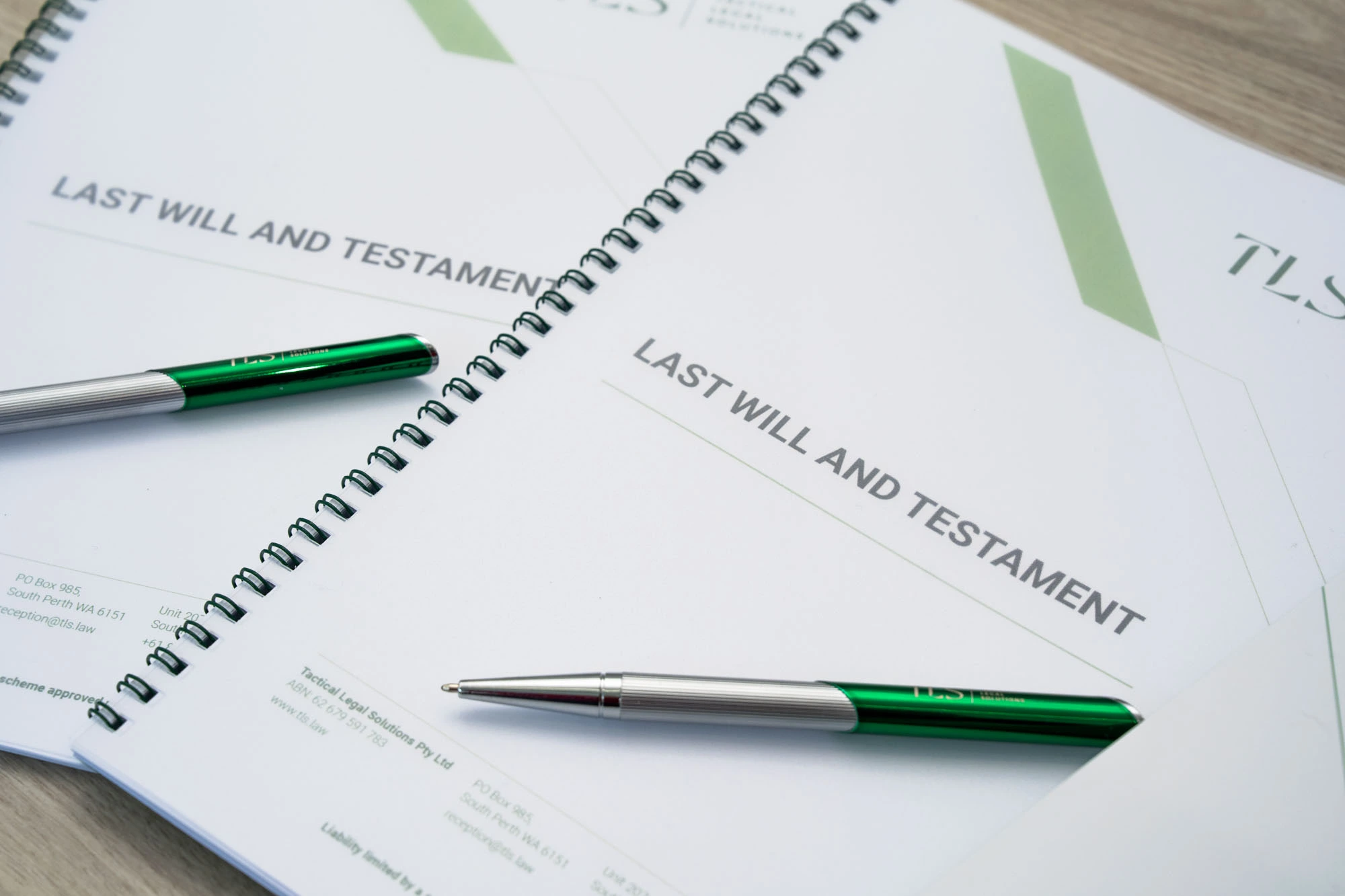
Simple Wills are ideal for uncomplicated estates or when comprehensive asset protection is not a primary concern.
On the other hand, Smarter Wills (Testamentary Discretionary Trusts) provide your beneficiaries with a powerful choice, offering greater control, flexibility, and significant potential tax and asset protection benefits.
A Testamentary Discretionary Trust (TDT) is a special trust created by the Will after your death. It allows your beneficiaries to manage their inheritance in a way that shields assets and optimises tax outcomes. This is a powerful tool used by Wills and estates lawyers to provide generational security.
Our lawyers can help you choose the best structure to protect your beneficiaries and align with your overall estate strategy.

Is this you?
Estate Planning Solutions for Every Stage of Life
Whether your circumstances are straightforward or complex, having a properly prepared estate plan can help protect your interests and those of your loved ones.
You Haven't Written a Will Yet
If something unexpected happened tomorrow, who would decide what happens to your home, savings and personal belongings? Without a valid Will, the law decides, not you.
 Your Life Has Recently Changed
A new marriage, a divorce, the birth of a child or grandchild, or a significant change in your finances can all make an existing Will outdated or even invalid.
 You Own Property or a Business
Real estate, shares, superannuation and business interests each carry unique risks. Proper estate planning ensures these assets pass to the right people, with minimal tax and delay.
 You're Worried About Family Conflict
Blended families, estranged relatives or unequal distributions can lead to costly legal disputes. A carefully drafted Will and clear instructions help prevent disagreements before they start.
 Your Estate Involves Complex Structures
Trusts, self-managed super funds, international assets or Powers of Attorney require specialist knowledge to ensure everything is structured correctly and legally sound.
Our Process
A Supportive Process Tailored to Your Needs
Legal matters can often feel overwhelming. Our transparent process keeps you informed from start to finish, providing clear advice, practical guidance and dedicated support every step of the way.
Introductory Consultation
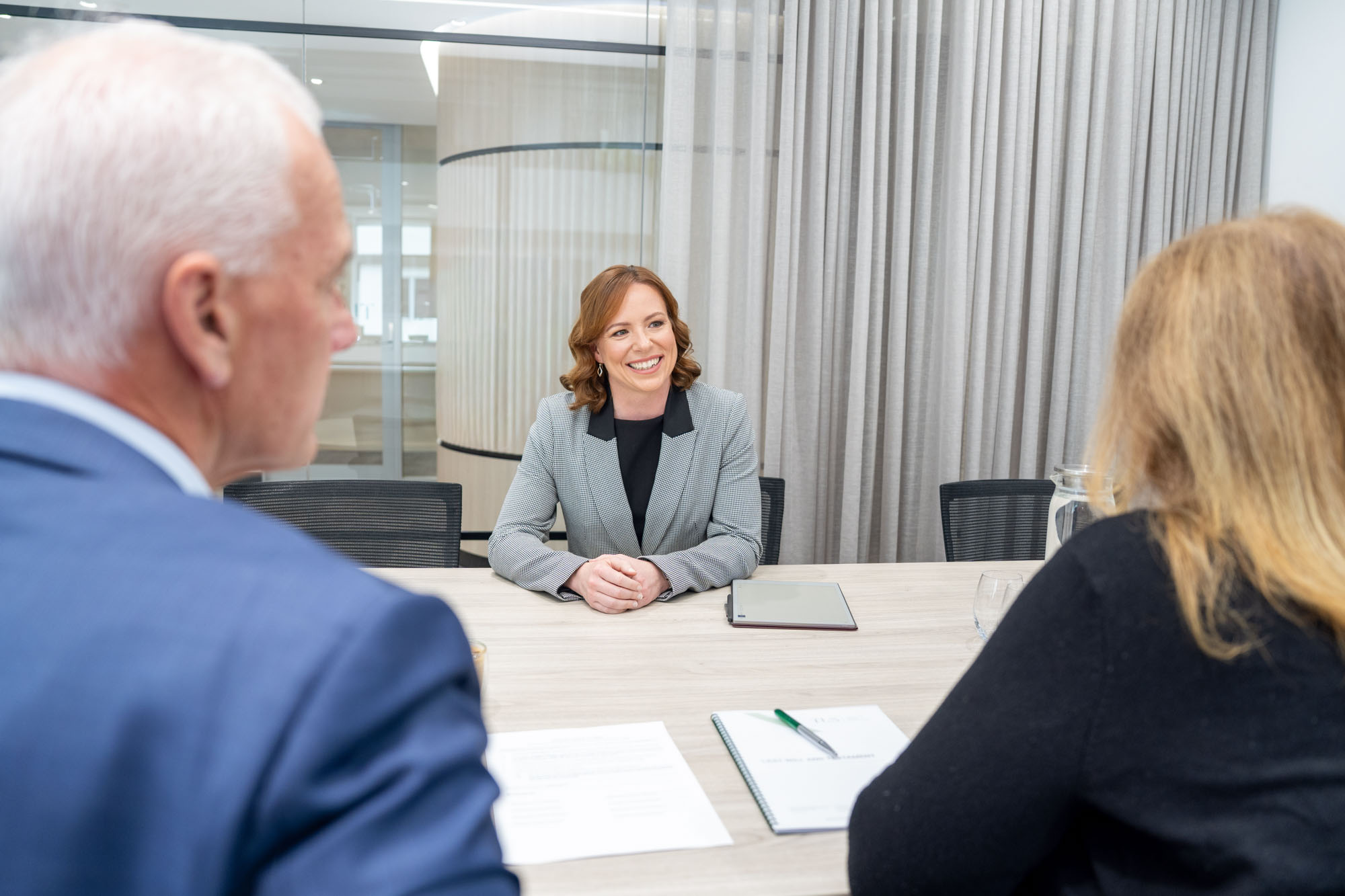
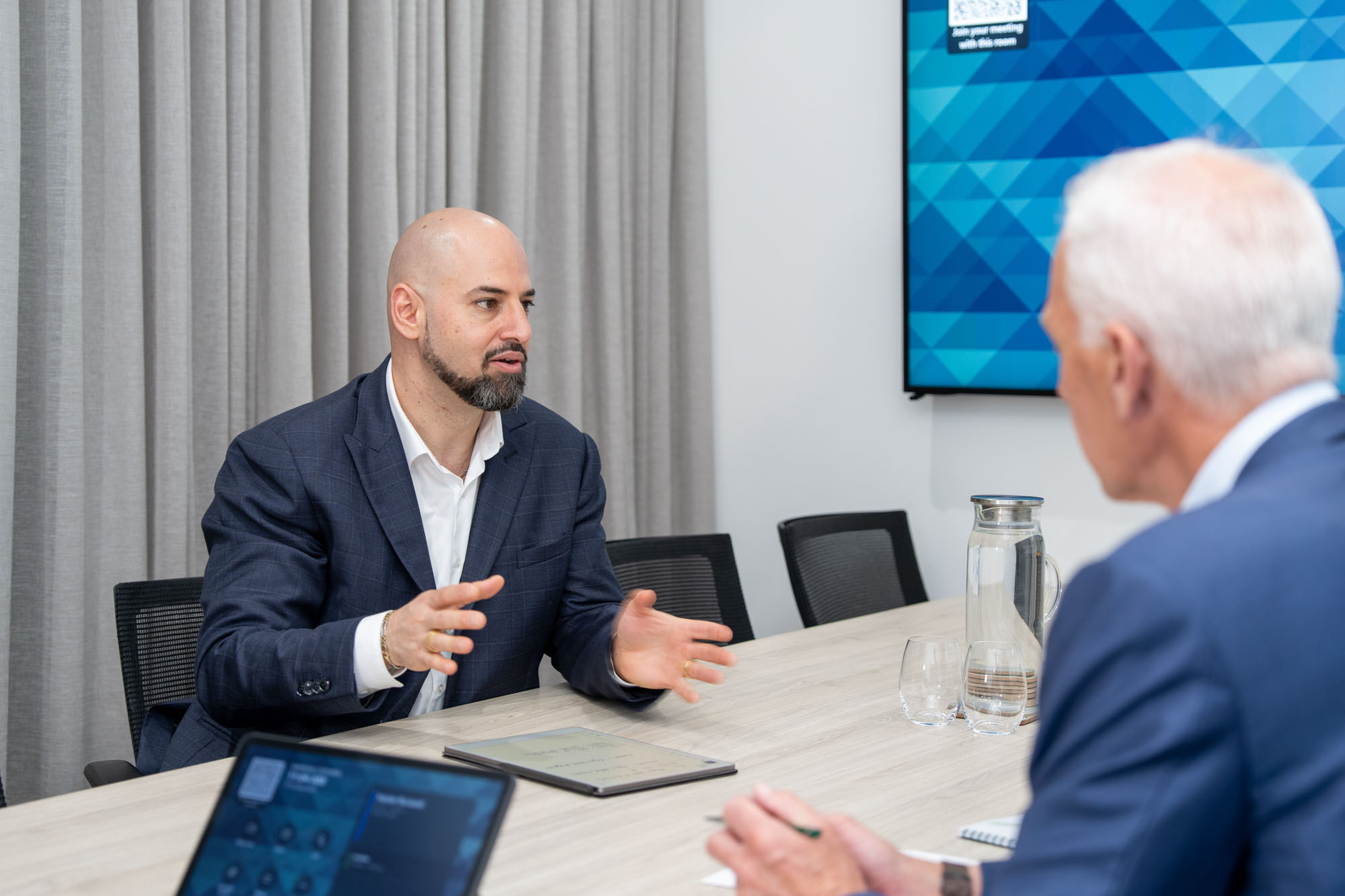
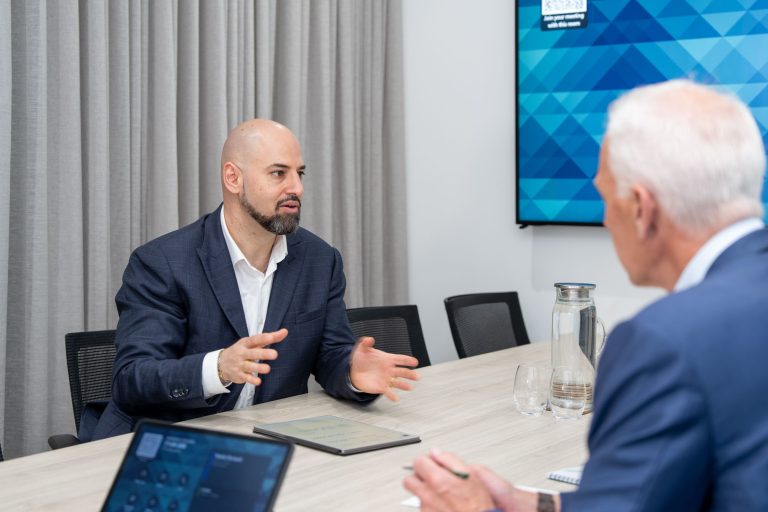
This first meeting is where we can get a better understanding of your estate planning objectives, provide legal advice, and take your instructions. We can then provide you with a tailored costs agreement outlining the work we will do for you, the documents to be prepared, and the costs involved. The cost of this first meeting is $330 (inclusive of GST).
Preparing Drafts
Once you have agreed to the terms outlined in the costs agreement and transferred our anticipated fees into our law practice trust account, we will begin preparing your estate planning documents. When these are ready, we will send you drafts for you to review.
Sign-Up
Once you are satisfied these documents accurately reflect your instructions, we can arrange a second meeting, which we call a 'Sign-Up'. In this meeting, we will go over each of the documents with you, page-by-page in plain language, answering any questions you may have. We will then sign these documents after you confirm you're completely satisfied.
Resolution & Support
We help you achieve the best possible outcome while providing ongoing guidance when needed.
Key Considerations
Important Factors to Consider When Planning Your Estate


Not Sure Where to Start?
Every legal matter is different. Tell us about your circumstances, and we'll help you find the right legal solution.
Asset Ownership and Structure
Understanding how assets are owned can impact how they are distributed.
Family Circumstances
Relationships, dependants and blended family arrangements may influence planning decisions.
Executor Selection
Choosing the right person to administer your estate is an important consideration.
Beneficiary Protection
Additional planning may be appropriate for young, vulnerable or financially inexperienced beneficiaries.
Future Decision-Making
Powers of attorney and guardianship arrangements can provide protection if capacity is lost.
Regular Reviews
Estate plans should be reviewed periodically to reflect changes in life circumstances and legislation.

Common mistakes to avoid
Helping You Prevent Future Complications
Many estate disputes and administration challenges arise from simple planning mistakes that could have been avoided with appropriate legal advice. Some common mistakes include:
- Failing to Have a Valid Will
- Not Updating Your Estate Plan
- Choosing the Wrong Executor
- Using Generic Templates
- Overlooking Powers of Attorney
- Not Considering Future Risks

More Estate Planning Services

Frequently Asked Questions.
A Will outlines how your assets are distributed after death and goes through probate. A Trust holds assets during and after your lifetime, often avoiding probate and offering more privacy and control over distribution.
You should review your estate plan after major life events such as marriage, divorce, the birth of a child, a significant change in assets, or the death of a named beneficiary or executor.
If you pass away without a Will, your estate is distributed according to state intestacy laws, which may not reflect your wishes. The Court will also appoint a guardian for any minor children.
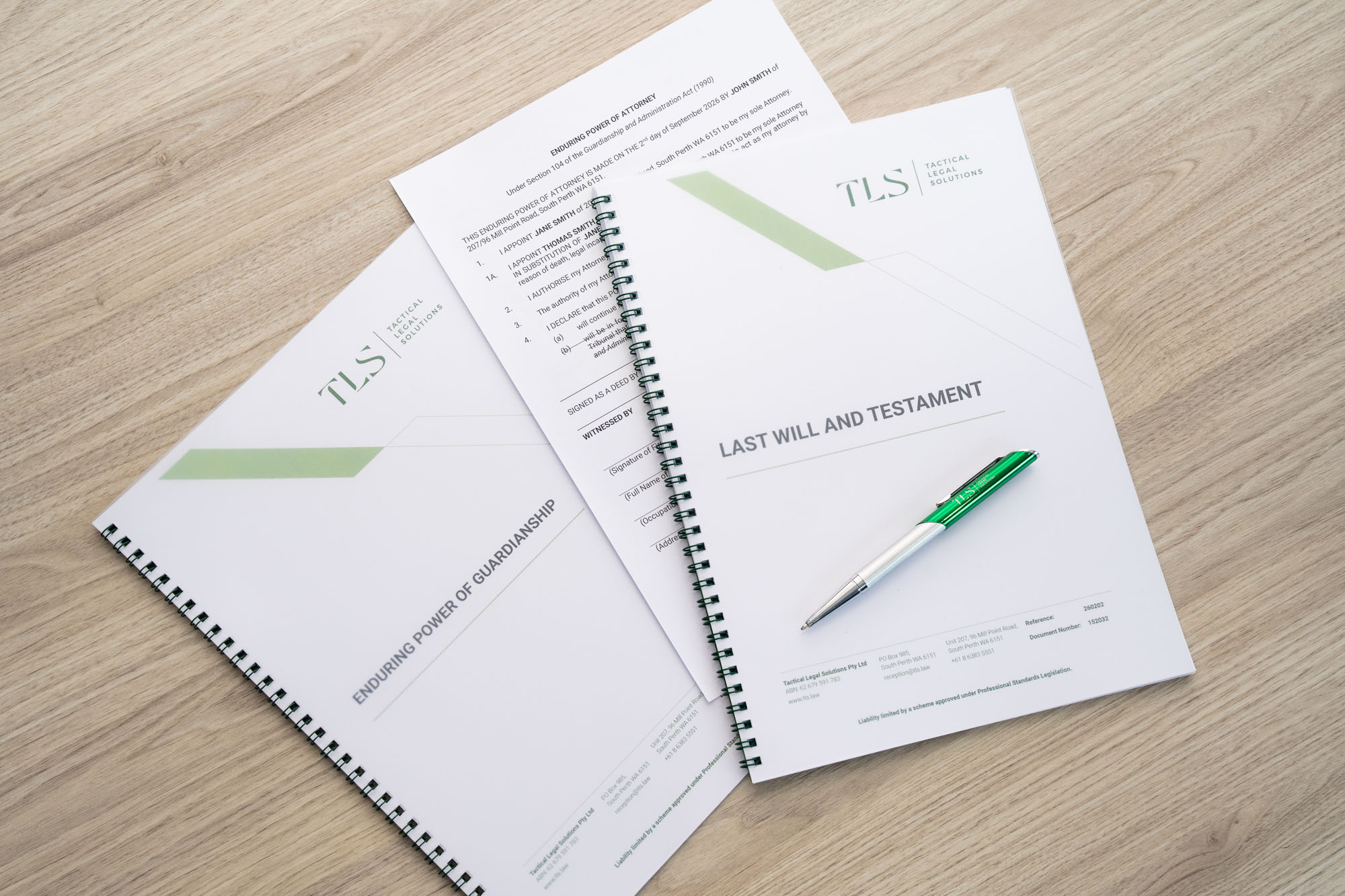
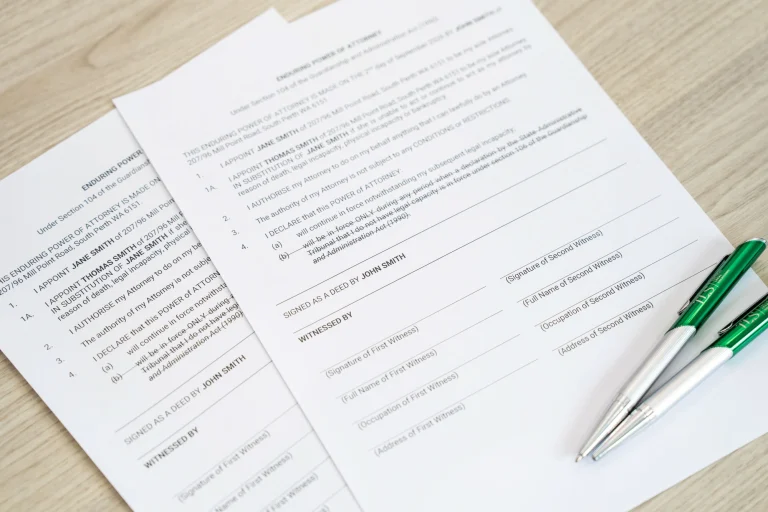
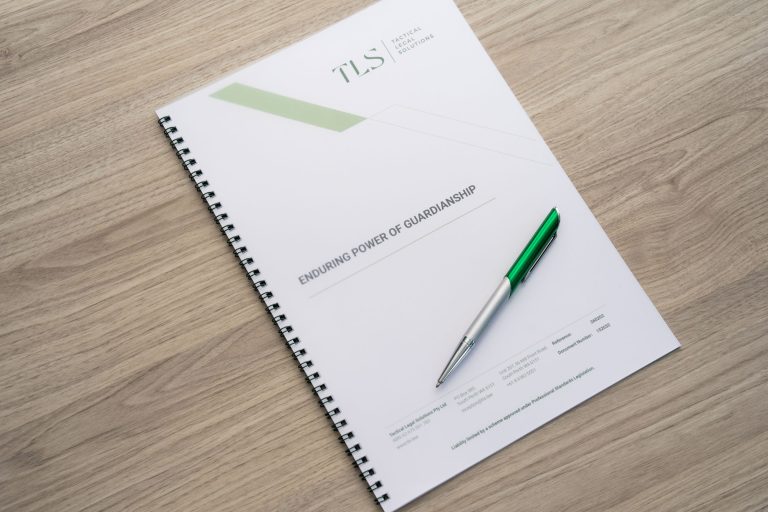
Yes, at TLS we suggest considering both of these in addition to preparing a Will. An Enduring Power of Attorney allows a trusted person to make financial or medical decisions on your behalf if you become incapacitated, while an Enduring Power of Guardianship allows a trusted person to make medical and health decisions on your behalf, ensuring your affairs are managed according to your preferences.
Strategies such as establishing trusts, making annual tax-free gifts, and designating beneficiaries on retirement accounts can help reduce estate tax liability and preserve more wealth for your heirs.
TALK TO A LAWYER
Looking for clear and personal advice?
Whether you are planning ahead, managing a deceased estate, or dealing with an estate dispute, our team is here to provide clear, practical and compassionate legal advice.